Carver HS Students Conclude Their Urban Farming, Nutritional Journey With a Visit to Moonflower Farms
The visit formed part of a one-of-a-kind initiative, The Young Agri-business Leaders of Houston (YALH) Education Program at the campus.
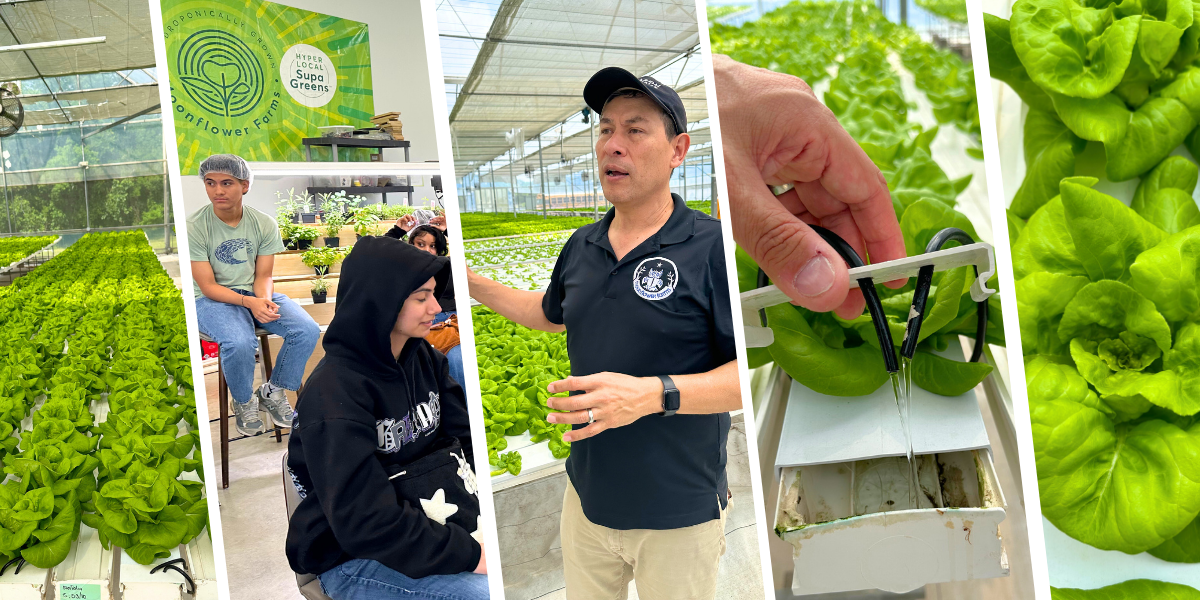
Carver students visited the Moonflower Farms to tour the local hydroponics grower farm. The students had a firsthand opportunity to observe the hydroponic farm’s inner workings and impact on the future of growing plants via hydroponics in the city. They learned about the different types of hydroponic systems, the importance of biosecurity measures, and the potential of hydroponic farming in addressing food insecurity. The visit formed part of a one-of-a-kind initiative, The Young Agri-business Leaders of Houston (YALH) Education Program at Carver High School.
The 11-week program aims to engage students in the various aspects of hydroponic gardening and lessons on food insecurity, nutrition, urban farming, community development, and entrepreneurship. The (YALH) Education Program is funded by an African American Mayors Association (AAMA) and the American Beverage Foundation for a Healthy America (ABFHA) through their Nutrition Access, Affordability, and Education Grant Program, launched at Carver High School in late October. Throughout the year, the students have heard from experts like Alicia Harris, community garden manager with the City of Houston Health Department’s Get Moving Houston Urban Gardens. Her insights and expertise have been invaluable in enriching the students’ learning experience and inspiring them to explore the world of urban agriculture. Click here for details about the program.
 During the students’ visit to Moonflower Farms, they were enthralled by owner Federico Marqués’ comprehensive lecture. He detailed the innovative systems at Moonflower Farms, such as the nutrient film technique and unique LED lighting. He also shared the farm’s vision of sustainable agriculture, which has the potential to revolutionize food production in urban areas, instilling hope for a greener future.
Moonflower Farms sits on 5 1/2 acres of land. Marqués briefed the students on the day’s activities and what would take place throughout the day so that the students would understand a typical day at the site. He also took them to the grow house, where the magic truly happens. To ensure everything stayed clean and disease-free, a crucial aspect of hydroponic farming, the students had to wash their hands thoroughly with soap and water and disinfect the bottoms of their shoes before entering the grow house. This biosecurity measure, a set of practices designed to prevent the introduction and spread of harmful organisms, is essential to maintain the health and safety of the plants and ensure the success of hydroponic farming.
The grow house, a key feature of Moonflower Farms, differs from a traditional greenhouse. It is constructed of poly-carbonated plastic, which also serves as a great source of insulation that resists all types of weather, including hail. Unlike a greenhouse, which relies on natural sunlight and soil for plant growth, the grow house is designed for hydroponic farming. Inside the grow house, several meters and indicators are used to check and ensure that the pH levels and light are calibrated correctly and monitored daily. These innovative features of the grow house, such as its weather-resistant construction and advanced monitoring systems, are a testament to the potential of hydroponic farming and its ability to overcome the challenges of traditional agriculture.
 Moonflower Farms is a hub of diverse produce, including the Natalia butter lettuce, summer crisp lettuce, and other crops like edible flowers, broccoli, basil, and mint. These crops, known for their nutritional value and popularity among consumers, are a testament to the success of hydroponic farming. The students could see firsthand the variety and quality of the crops grown at the farm. The farm’s diverse produce provides a variety of healthy food options and demonstrates the potential of hydroponic farming to meet the nutritional needs of urban communities.
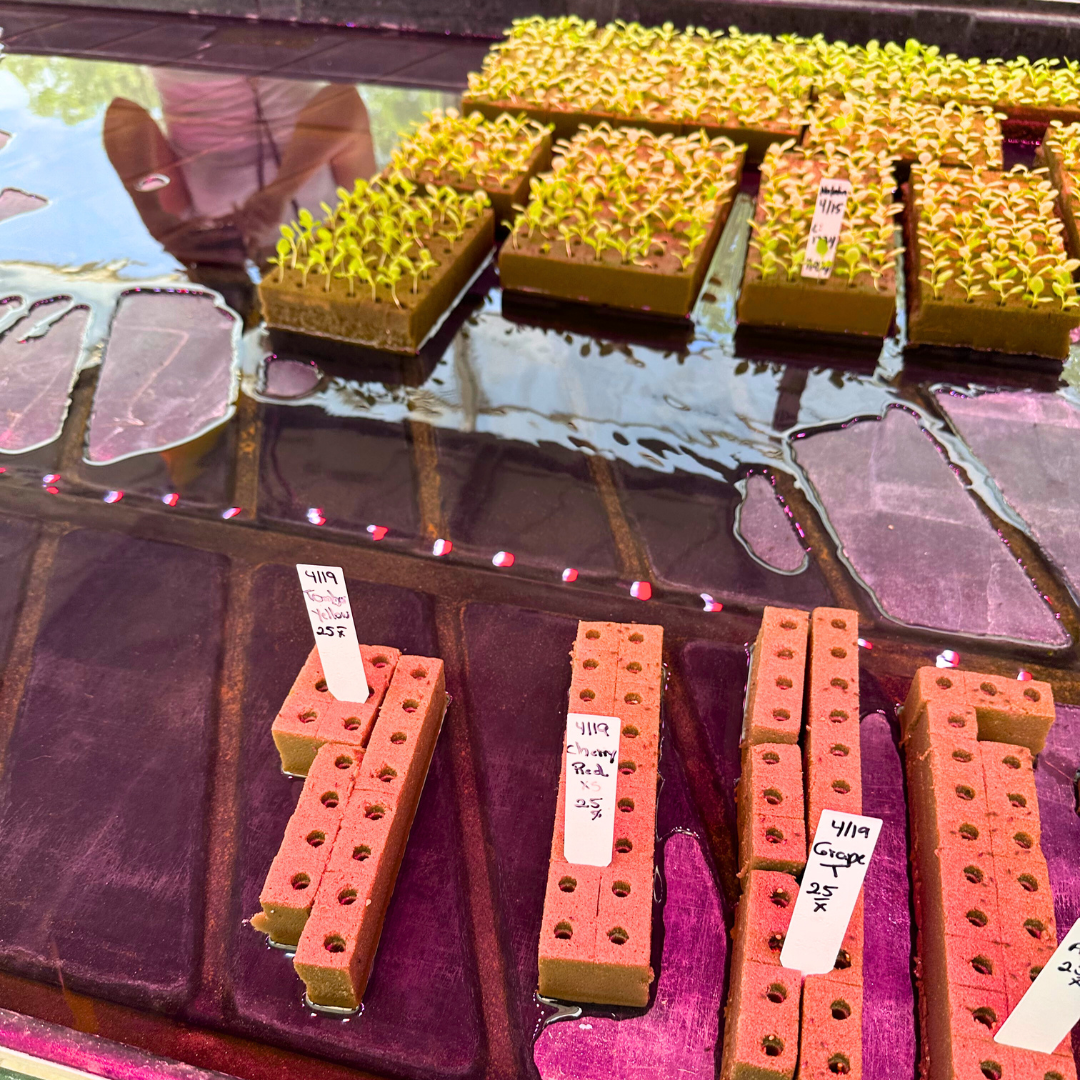
The grow house is unique in that each row of hydroponic trays can hold up to 700 heads of lettuce per table. The tables are alternately arranged by twos or threes, depending on the size. There is no soil in the entire facility except for the germination table. The germination tables are located at the rear of the grow house. The germination table requires special LED lighting as their source of energy.
The water source for all plants at Moonflower Farms is via the nutrient film technique (NFT procedure). This process, a key component of hydroponic farming, means that a single film layer of water constantly runs through a closed-loop recycled system. This innovative technique ensures that plants receive a continuous water supply and nutrients, leading to efficient and sustainable plant growth.
 The students were excited and curious as they explored the unique environment of Moonflower Farms. For many, this was their first encounter with hydroponics, and they were captivated by the learning experience. Their enthusiasm was palpable, and they left the farm with a newfound appreciation for hydroponics. Some students expressed interest in pursuing a career in agriculture, while others were inspired to start their hydroponic gardens at home. Their positive feedback and enthusiasm are a testament to the visit’s success and the potential of hydroponic farming to inspire and educate.
“Now that the students have gained a solid foundation of knowledge about hydroponics from their visit to Moonflower Farms,” said teacher Monica Caldwell, “They are well-equipped to educate others and share their newfound knowledge, potentially sparking interest in a career or a lifestyle utilizing hydroponically grown fruits and vegetables. We are proud of their efforts and look forward to seeing them inspire others.”
About the Author: Leticia Fehling