Finding Their Voice: How Amira Is Helping Aldine Students Read With Confidence
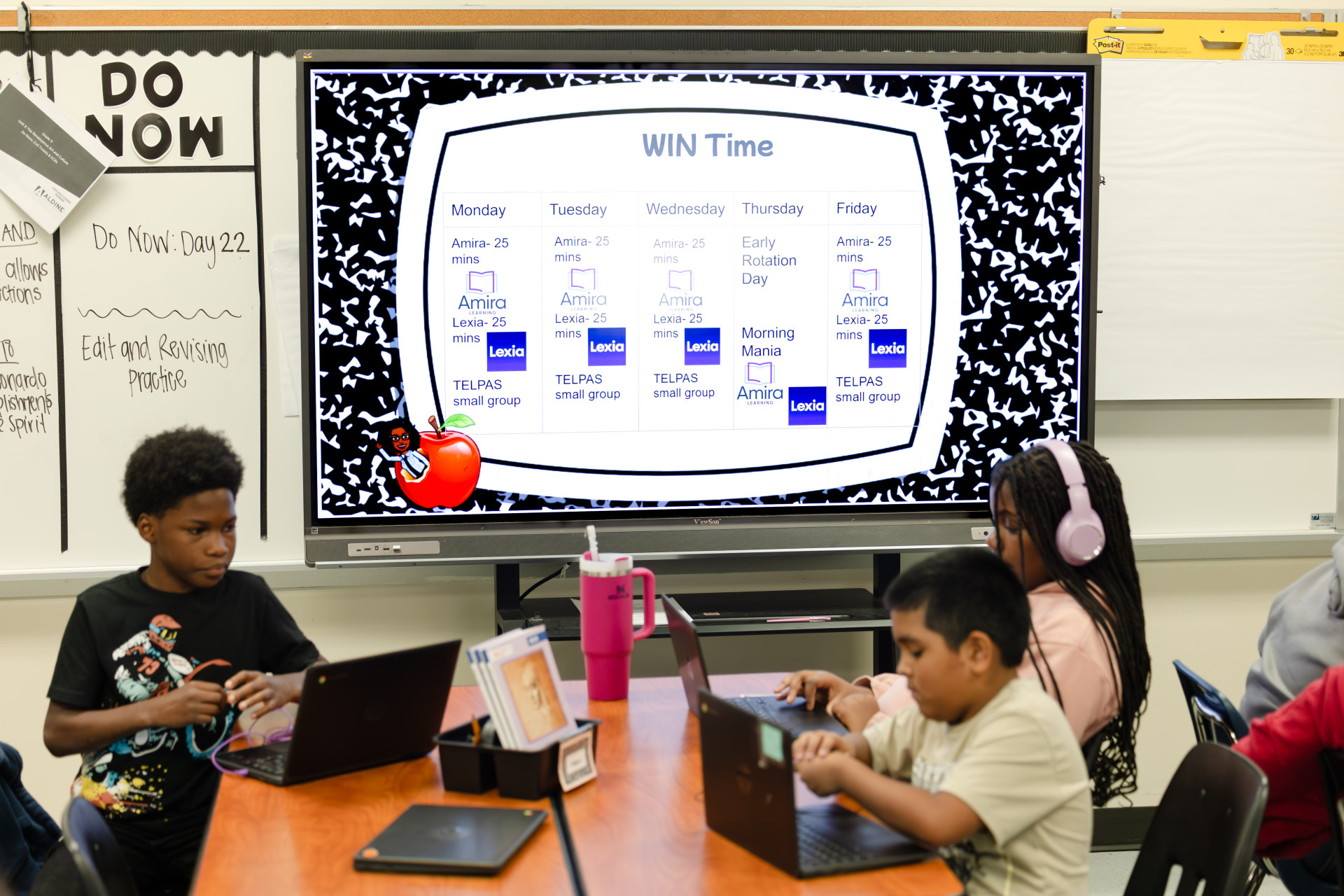
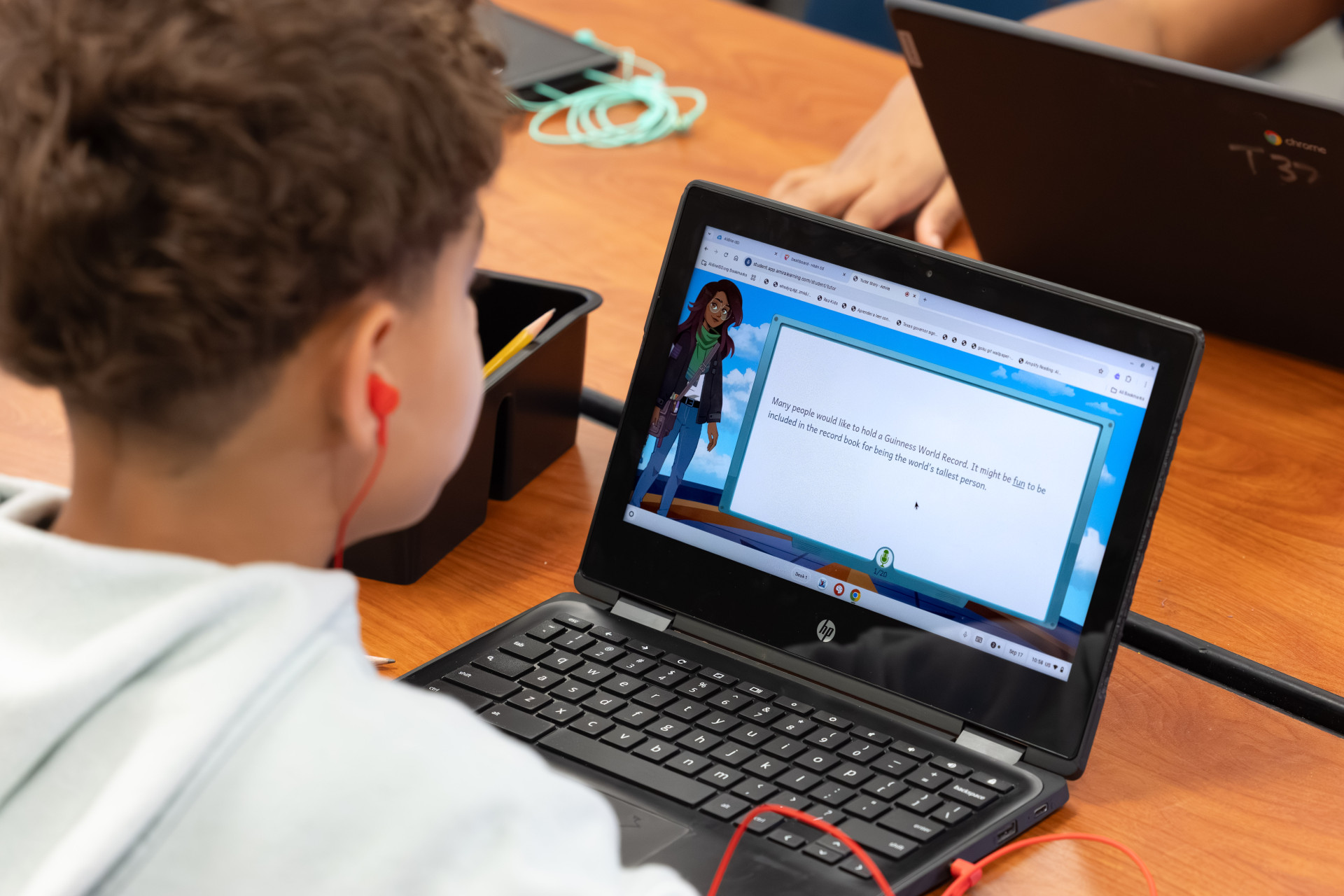
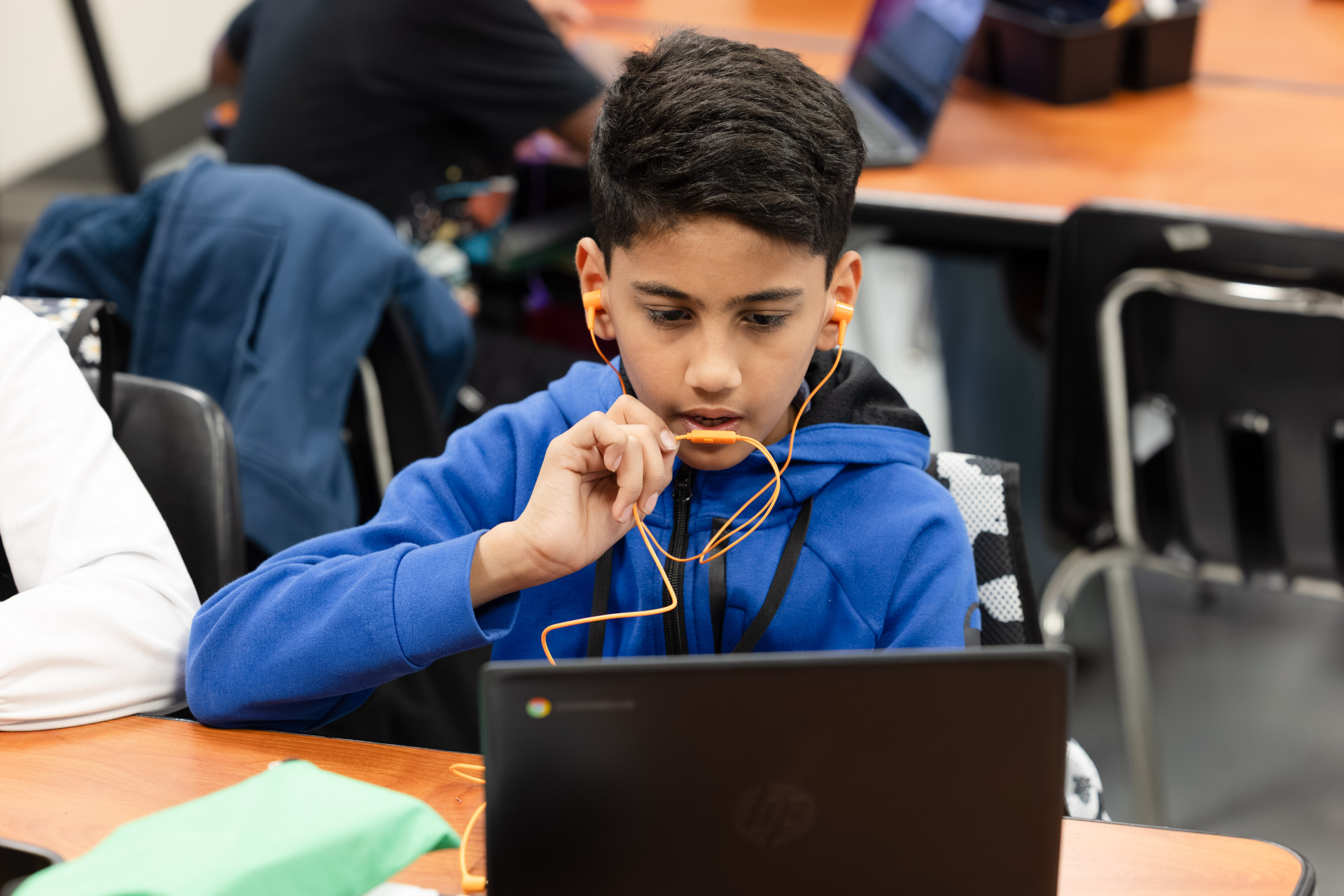
Mrs. Hearne’s fifth-grade students work on Amira during WIN Time at Jones Elementary.
“Amira has taught me how to read faster, and now I can read five Dog Man books in under an hour,” said Emily Luna, a fifth grader at Jones Elementary.
Her words are equal parts proud and joyful, and they capture the heart of what Aldine ISD hoped to achieve when it introduced Amira, an AI-powered reading assistant. Across the district, children like Emily are discovering that reading isn’t just about sounding out words. It’s about confidence. It’s about finding rhythm. And sometimes, it’s even about the sheer joy of racing through five favorite books in a single sitting.
The challenge: giving every child a chance
 For years, Aldine educators faced a difficult truth: too many students were entering upper grades still struggling with the basics of reading. Gaps in fluency and foundational skills could go unnoticed until they grew into barriers. And even when teachers recognized the need, it was impossible to give every child the kind of one-on-one practice they needed every day.
“One of our biggest challenges has been ensuring consistency in foundational reading interventions across campuses and quickly identifying subtle fluency gaps that traditional assessments miss,” said Dr. Faviola Cantu, chief academic officer. “Amira addresses both by providing daily, individualized practice and real-time data, which allows us to intervene earlier and more precisely. We are also able to monitor usage closely to ensure the program is being used with fidelity.”
The solution: an AI coach with a human touch
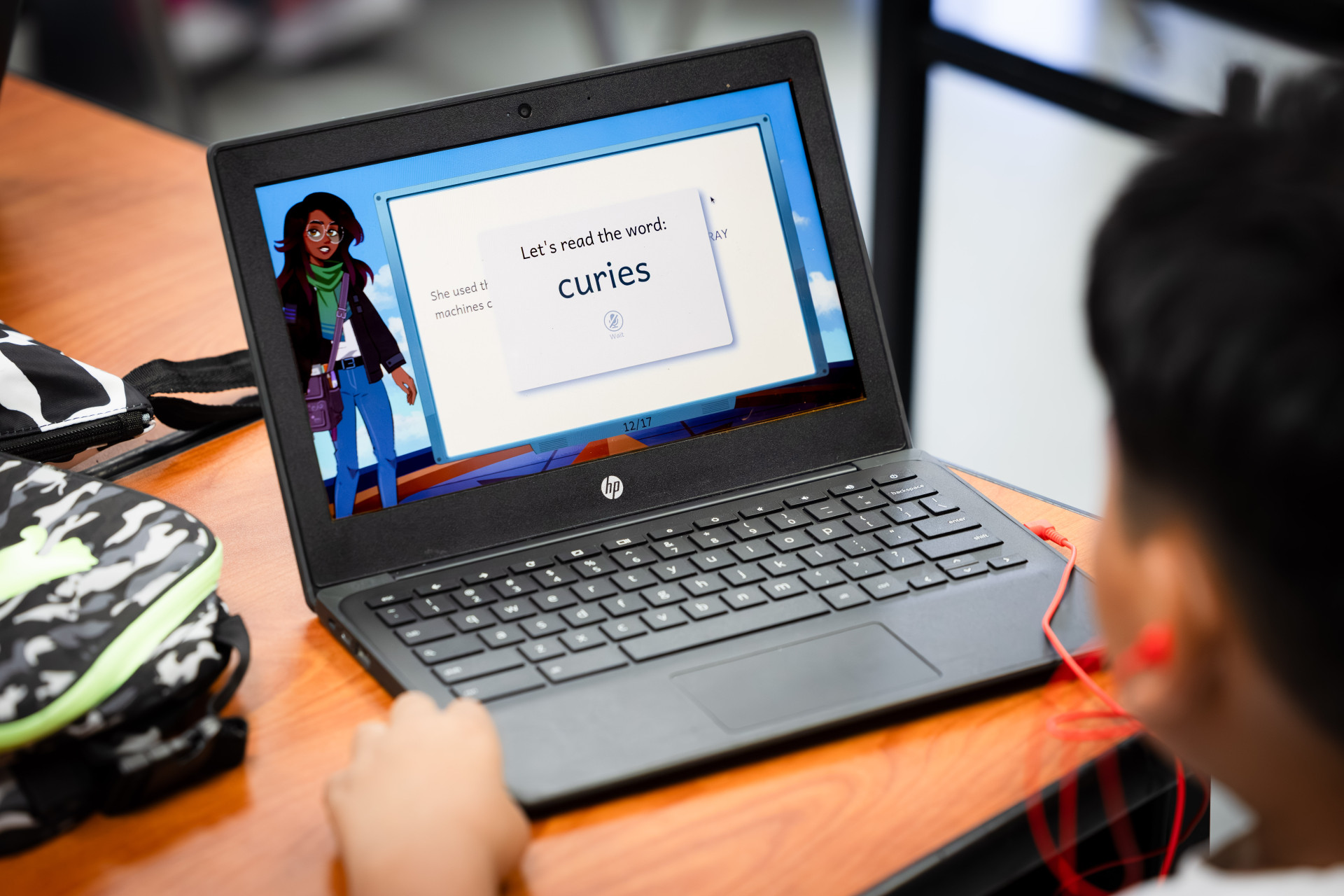
Amira works by listening as students read aloud, analyzing accuracy, pacing and expression. In the moment, it gives personalized feedback — gently encouraging a child to try again, to slow down, or to say a tricky word the right way.
“It’s almost like having a personal tutor for every student,” said Jacqueline Beas, executive director of literacy and social studies. “It flags subtle fluency breakdowns that a traditional assessment might miss — things like repeated decoding errors, hesitations or monotone prosody — and gives teachers the data to adjust small-group instruction. AI is powerful, but what matters is how it supports human teaching.”
In the classroom: “She makes reading fun”
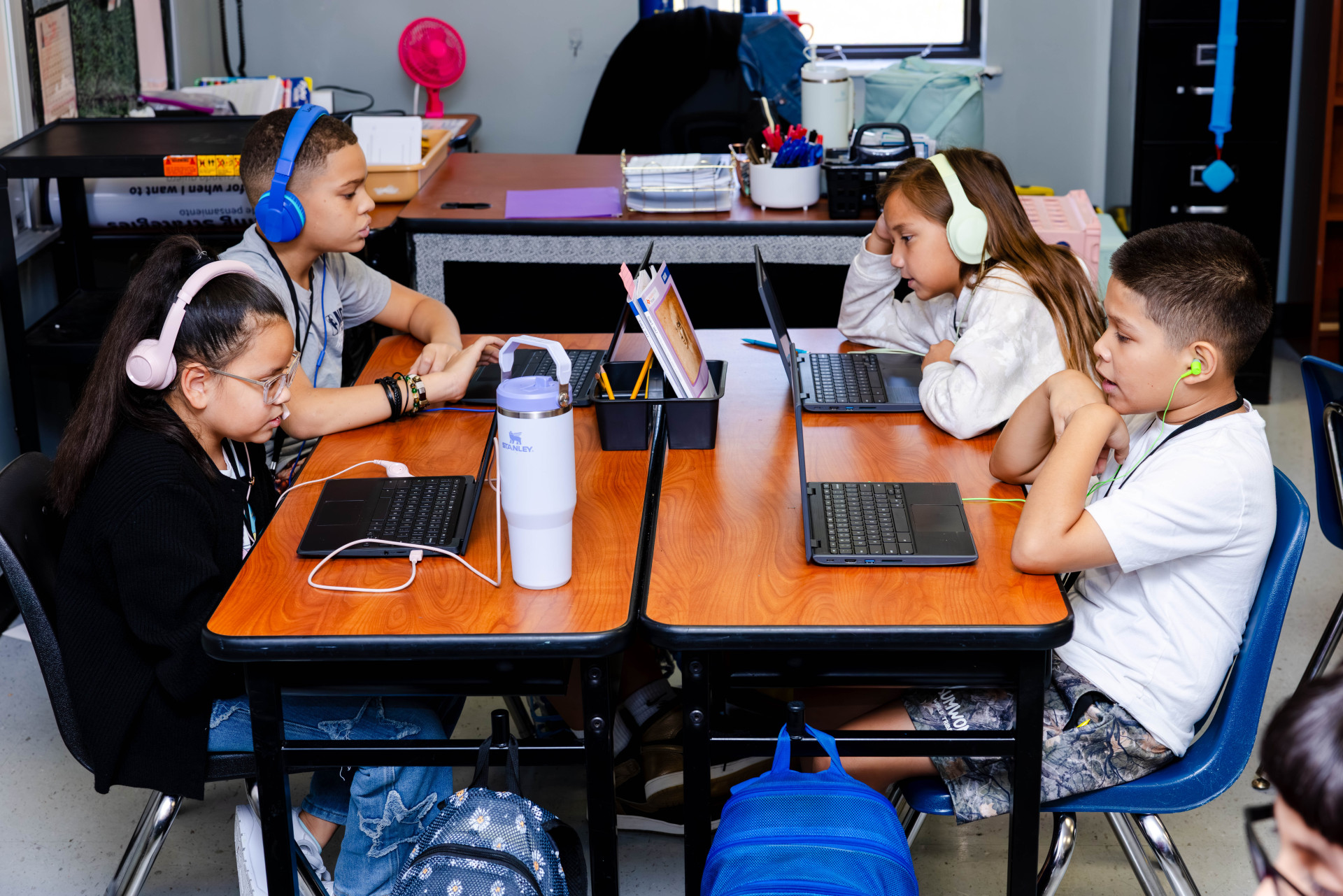
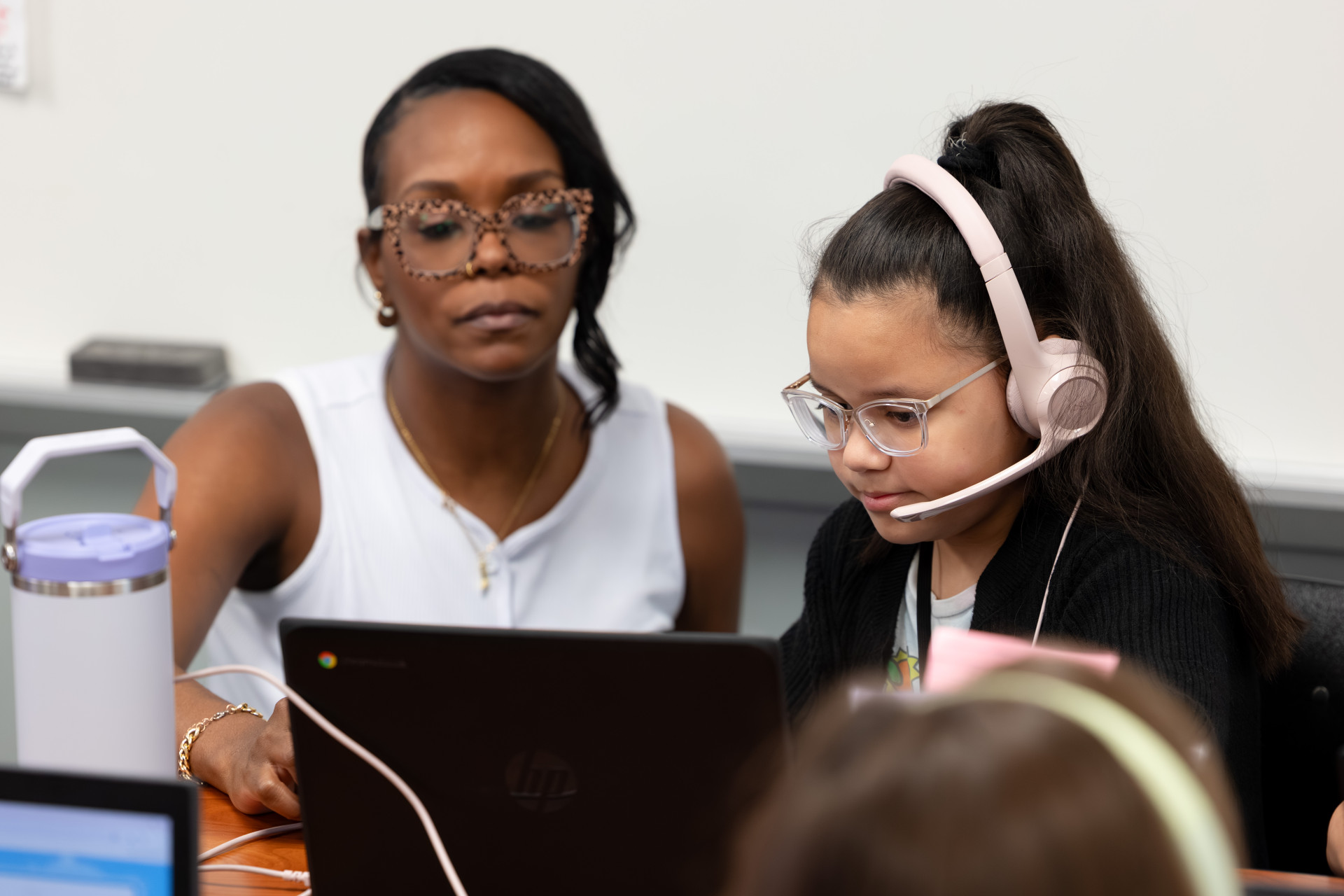
Teachers say Amira is not replacing them — it’s amplifying their work.
“As a teacher, I appreciate a platform that encourages reading, fluency and comprehension,” said Mrs. Hearne, a fifth-grade teacher at Jones Elementary. “Amira not only gives students the opportunity to read aloud daily, but it supports them on the spot with words they don’t know.
For students, the effect is tangible.
“Amira has helped me by encouraging me to focus on new words,” said Jonathan Fernandez, a fifth grader at Jones Elementary. “It’s even helped me pronounce bigger words.”
Miranda Gonzalez, also a fifth grader, said: “Amira helps us with fluency. She tells us to speak up so we can understand each other. And even when we mess up, she makes it fun to practice.”
Jaydon Padilla, another classmate, put it simply: “With Amira, I can read peacefully. I choose stories I like, and I can answer the questions without any issues.”
Each comment is a reminder: the program isn’t just building better readers. It’s building more confident children.
Signs of growth
 Early results suggest that Amira is working. Campuses with higher weekly usage are seeing stronger growth on universal screeners and STAAR assessments. And beyond the numbers, teachers report something harder to measure: a shift in how students feel about reading.
“Amira gives students a low-stakes environment to practice without fear of judgment,” Beas said. “That reduces anxiety and makes them more willing to take risks in reading. For our multilingual learners and struggling readers, Amira has also leveled the playing field by ensuring consistent daily oral reading practice in both English and Spanish.”
Looking ahead
District leaders see Amira as part of a larger vision: a literacy framework that pairs strong Tier 1 instruction with innovative tools to provide personalized support to every child. The plan is to continue expanding its use, particularly for building biliteracy through practice in both English and Spanish.
“In our first through fifth grade classrooms, students receive personalized instruction every day to help them reach their literacy goals,” Cantu said. “It’s not something we hope will happen — it’s happening. Our vision moving forward is to deepen integration into Tier 1 instruction and intervention, strengthen biliteracy through both English and Spanish practice, and build a clear line between data, classroom practice and student achievement.”
A new kind of reading story

Back in her classroom, Emily beams when she talks about her reading streak. Another fifth grader, Anderson, put it more simply: “Every time I read with Amira, I get better.”
These are not just anecdotes. They are proof that, when used carefully and guided by teachers, technology can align with a district’s vision and change a child’s story.
In Aldine ISD, that story is no longer about struggling to keep up. It’s about students racing ahead — sometimes through five Dog Man books in a single hour — and discovering the joy of seeing themselves as readers.
About the Author: Sandra Perez Chaviano