Disponible en:
 Español
Aldine Votes: Empowering Students to Lead Change in Their Community
Disponible en:
Español
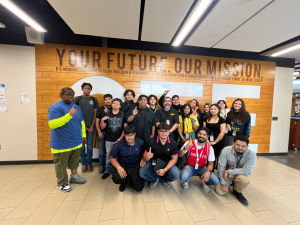
In a classroom at Davis High School, a group of students gathers around a voter-registration poster. They aren’t just learning about elections — they’re learning about power, voice, and what it means to take part in democracy.
Through Aldine Votes, a districtwide civic-engagement initiative, students across Aldine ISD are discovering that participation starts long before the ballot box.
“Knowledge is power,” said Daniel Meza, Aldine’s civic engagement specialist. “Understanding how systems work — and how they affect us — is vital for our community to progress. Even if students can’t vote yet, they can still share valuable perspectives that deserve to be heard.”
A Movement Rooted in Empowerment
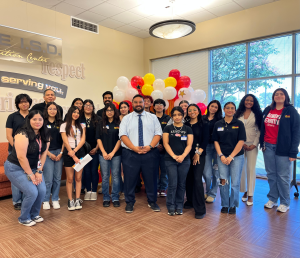 Aldine Votes began with support from a Houston Endowment grant and a clear mission: strengthen civic participation through education and community outreach.
“Our community is often overlooked,” Meza said. “We’re here to make sure our voices are heard. By fostering civic engagement and empowerment, we’re creating a space where Aldine can actively participate and make a difference.”
The program’s focus is not political but deeply personal — helping students understand their role in shaping schools, neighborhoods, and the future of their community.
Learning by Doing
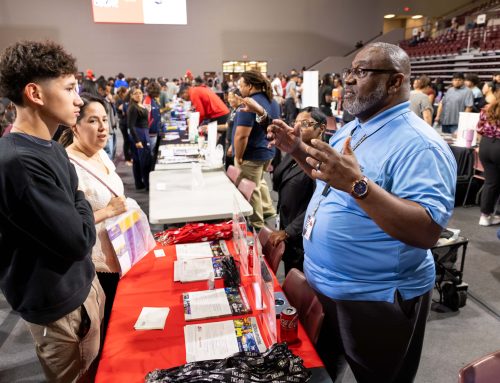
Through workshops, field trips, and on-campus civic-engagement clubs, Aldine Votes turns civic learning into hands-on experience. Students discuss issues that affect their lives, meet with elected officials, and visit the Texas Capitol to see government in action.
“Legislative visits have been especially powerful,” Meza said. “Students get to meet their representatives, ask questions, and offer solutions. It shows them that they belong in rooms where youth voices are often left out.”
Workshops and campus events give students opportunities to practice public speaking, teamwork, and advocacy.
“These spaces are intentionally created for them — and often led by them,” Meza said. “They build confidence and remind students that change doesn’t always come from being the loudest, but from being consistent and informed.”
The Ripple Effect

Since launching, Aldine Votes has inspired new energy around civic engagement. Students have started passion projects, pursued internships, and even shifted their career goals toward public service and policy.
Teachers and families have noticed the difference.
“Community members appreciate the district taking the lead in informing and empowering students,” Meza said. “They see it as a breath of fresh air — a nonpartisan effort to help everyone learn, participate, and grow.”
The impact goes beyond classrooms, helping students and parents alike see civic participation as a lifelong responsibility — not just something that happens on Election Day.
Beyond the Ballot
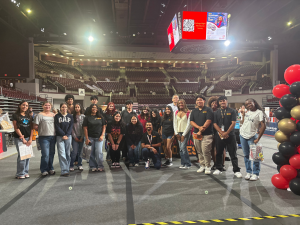 For Meza, “exercising your voice” means showing up — not only at the polls but in everyday life.
“The youth vote is the largest but also the most dormant,” he said. “We want students to take the lead in changing that reality.”
Aldine Votes encourages students to find their own ways to participate — volunteering, leading discussions, or helping peers register once they turn 18.
“Everyone’s voice matters,” Meza said. “Leadership doesn’t always mean being in the spotlight. You can make a difference simply by learning, sharing what you know, and helping your community grow.”
Aldine’s Next Generation of Leaders
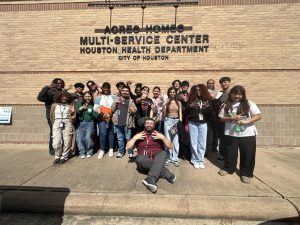 As Aldine Votes continues to expand, its mission remains the same: to prepare students to become informed, engaged citizens who lead with purpose.
“We hope they leave with a sense of belonging, confidence, and voice,” Meza said. “Whatever path they take, those skills will stay with them for life.”
Through Aldine Votes, civic education in Aldine ISD isn’t just about learning how democracy works — it’s about living it.
About the Author: Sandra Perez Chaviano